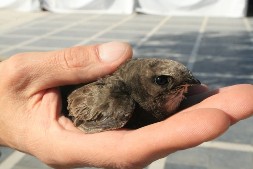
At early July we had received an adult injured Common Swift (Apus apus) from Halkidiki. It had a shattering fracture at its left forearm and the condition of the injury was very serious. In most of the Wildlife Hospitals around the world they would never take care of an injury like this and probably they would have done euthanasia to the animal. Although the odds were against us we decided to try and save the bird.
We had to set back the bones as soon as possible and to immobilize the fracture. There was also a continuing medical support all day long for as long as it needed in order to heal. On 20th of July we removed the splint from the wing and the fracture was healed. There was another challenge that we were facing. The immobilization of the wing had cause a stiffness of the wrist which after several physiotherapies it started moving again.
On 28th of July we made the first attempt in order to release the bird. Despite the fact that everything seemed to get better the bird wasn’t able to fly high enough, so we needed to recapture it. It was a very strong and lively bird and during the next two days it was trying constantly to fly again.
So on the 30th of July we had some other Common Swifts that were ready for rehabilitation and we decided to try again with this particular bird.
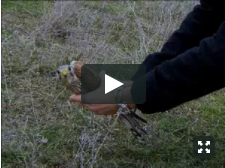
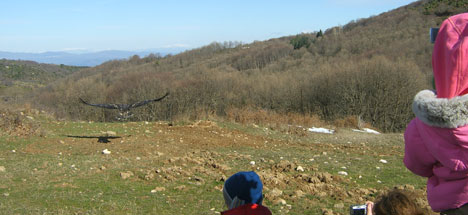
First we released the other two Swifts and then we tried our little “friend”. After a light push into the air it flew around for a while without to be able to gain much height, so it fell on the ground again. We checked each feather very carefully and we gave another push up on the air and this time the bird started to gain height easily with strong wings and we just stayed there to watch it fly away until we lost it from our eyes. It was a very emotional and joyful moment since we were proud of our decision not to give up with this bird.
This was the third Common Swift with a wing fracture which we have been able to rehabilitate this year. Unfortunately there were a few others that were not so lucky. Every successful rehabilitation offers us with knowledge and experience which we can use them in the future in order to save other animals from the same or a different species.
The first common Swift with a fracture was rehabilitated in Greece during summer of 1992 or 1993. That bird had been released at Kalamaria area. In addition half of the Swifts we have received until now have been released back in nature. This increases the number of the animals that have been rehabilitated by the “Action for Wildlife” to almost 200.
We feel the need to congratulate Chrisoula for her amazing job with the Swifts.


 English (UK)
 Ελληνικά